Why Vibe Coding Makes Traditional Programming Unnecessary for Beginners
Published on: 03 February 2026
Author: Ankit Kumar Singh
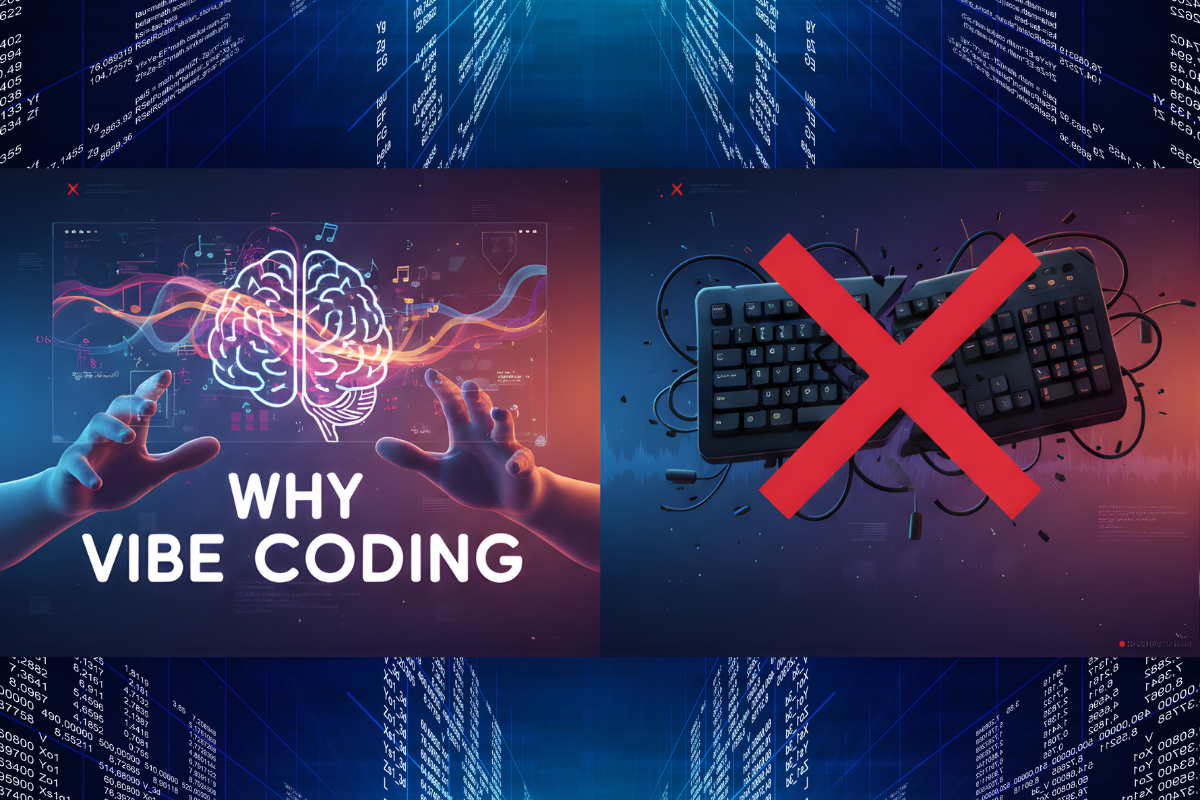
No CS degree? No problem. See how Vibe Coding opens doors.
Most people don’t quit coding because they’re lazy or incapable.
They quit because the first steps feel confusing, heavy, and discouraging.
If you’ve ever tried learning programming and felt stuck before building anything real, you’re not alone. Traditional programming asks beginners to learn too many things at once—rules, tools, and theory—before they see results. That’s a hard way to start, especially if you’re switching careers or learning coding without a computer science degree.
Vibe coding changes that starting point. It lowers the vibe coding entry barrier by letting beginners focus on what they want to build instead of how code is written. You don’t need a technical background to begin. You just need a goal.
The Real Problem with Traditional Programming for Beginners
Traditional programming was designed by developers, for developers.
Beginners were never the priority.
What beginners are expected to handle on day one
When you follow the usual path, you’re asked to:
- Learn strict syntax rules
- Install tools and set up environments
- Understand abstract concepts before using them
- Fix errors that make no sense yet
Before building something useful, you’re already overwhelmed.
Why this approach fails beginners
Traditional programming assumes you already know:
- How computers think
- Why certain rules exist
- How different parts connect
Beginners don’t have that context yet.
So learning feels slow, frustrating, and easy to quit.
This is why many people believe coding isn’t for them when in reality, the entry point is the problem.
What Vibe Coding Is
Vibe coding starts from a different idea:
You explain what you want. The system handles the technical parts.
Instead of memorizing syntax, you work with intent.
How vibe coding works
With vibe coding, you:
- Describe your goal in normal language
- Let AI generate the structure and logic
- See results quickly
- Adjust by refining ideas, not rewriting code
You stay focused on outcomes, not rules.
This creates a simplified programming workflow that matches how beginners naturally think—step by step, visually, and through feedback.
Vibe Coding vs Traditional Programming
Here’s the difference that matters most to beginners.
Traditional programming
- Learn rules before building
- Errors appear early and often
- Slow progress at the start
- Heavy setup and configuration
- Requires technical confidence upfront
Vibe coding
- Start with what you want to build
- Syntax handled for you
- Fast feedback
- Minimal setup
- Encourages learning by doing
This is the core of vibe coding vs traditional programming.
One demands preparation before action.
The other allows action first, learning second.
How Vibe Coding Lowers the Entry Barrier
Less memorization, more understanding
Beginners don’t struggle with logic they struggle with remembering rules.
Vibe coding removes the need to memorize:
- Brackets and symbols
- Exact function formats
- Language-specific quirks
You learn what the code does by watching it work.
That’s why the vibe coding entry barrier is much lower than traditional approaches.
Faster feedback keeps beginners going
Nothing kills motivation faster than silence or errors you don’t understand.
Vibe coding gives:
- Quick results
- Clear cause-and-effect
- Easy iteration
You try something. You see what happens. You adjust.
This loop keeps curiosity alive.
Focus on results, not perfection
Beginners don’t want perfect code.
They want something that works.
Vibe coding helps you:
- Build simple tools
- Automate small tasks
- Test ideas quickly
That’s why many see it as the easiest way to start coding without experience.
The Simplified Programming Workflow

- Say what you want to build
Example: “I want a form that saves user data.”
- AI creates the structure
Logic and code are generated automatically.
- You review and adjust
Changes are made by describing behaviour.
- You learn by observing
You see how actions affect results.
- You improve gradually
No restarting. No breaking everything.
This workflow removes fear and replaces it with progress.
Coding Without a Computer Science Degree Is Now Practical
For years, coding felt locked behind formal education.
Vibe coding changes that reality.
You can now:
- Build real applications
- Learn concepts when they matter
- Grow skills through use, not theory
This makes coding without a computer science degree achievable for beginners who just want to start.
You’re not skipping learning.
You’re learning in a better order.
Beginner Fears Vibe Coding Removes
- “I’ll mess everything up” Mistakes are easier to fix and understand.
- “I don’t know where to start” Your goal becomes the starting point.
- “I’m not technical enough” Skills grow through practice, not labels.
- “I’m too late to learn coding” Lower barriers make timing less important.
Who Vibe Coding Is For
Best for:
- Absolute beginners
- Career switchers
- Non-technical founders
- Designers and marketers
- People testing ideas fast
Not ideal for:
- Deep system-level programming
- Performance-heavy applications
- Advanced engineering work (at first)
Vibe coding doesn’t replace expert developers.
It replaces the painful first step.
Practical Next Steps to Start Vibe Coding
If you’re new and curious:
- Pick a small problem you care about
- Try AI-assisted developer tools
- Focus on outcomes, not code rules
- Learn concepts as you build
Platforms like Salesforce’s work around vibe coding and Agentforce show how intent-driven development works in real products:
Use these as learning references, not requirements.
Conclusion
Vibe coding is not a shortcut.
It’s a better starting line.
By lowering the vibe coding entry barrier, it allows beginners to build confidence before complexity. Traditional programming still matters but it no longer needs to be the first step.
If you’ve been waiting to feel “ready” to start coding, this is your signal:
You don’t need a degree.
You don’t need permission.
You just need a clearer way in.